Debunking Common Myths About Sustainable Winemaking


In recent years, sustainable winemaking has gained significant attention as more consumers become environmentally conscious. However, with its rise, several myths have also emerged, clouding the understanding of what sustainable winemaking truly entails. Let's debunk some of these common misconceptions.

Myth 1: Sustainable Wine Is Always Organic
One of the most prevalent myths is that sustainable wine must be organic. While both practices focus on environmental responsibility, they are not synonymous. Organic winemaking strictly prohibits synthetic fertilizers and pesticides, while sustainable practices prioritize overall environmental impact, which may include limited use of such substances if it benefits the ecosystem.
Sustainability encompasses a broader range of practices, including water conservation, energy efficiency, and community engagement. Therefore, a wine can be sustainable without being organic, and vice versa.
Myth 2: Sustainable Practices Are Too Expensive
Another common misconception is that adopting sustainable practices is prohibitively expensive. While initial investments may be required, many wineries find that sustainability can lead to cost savings in the long run. For example:
- Implementing water-saving techniques can reduce utility bills.
- Using renewable energy sources can lower energy costs.
- Recycling and composting can decrease waste management expenses.
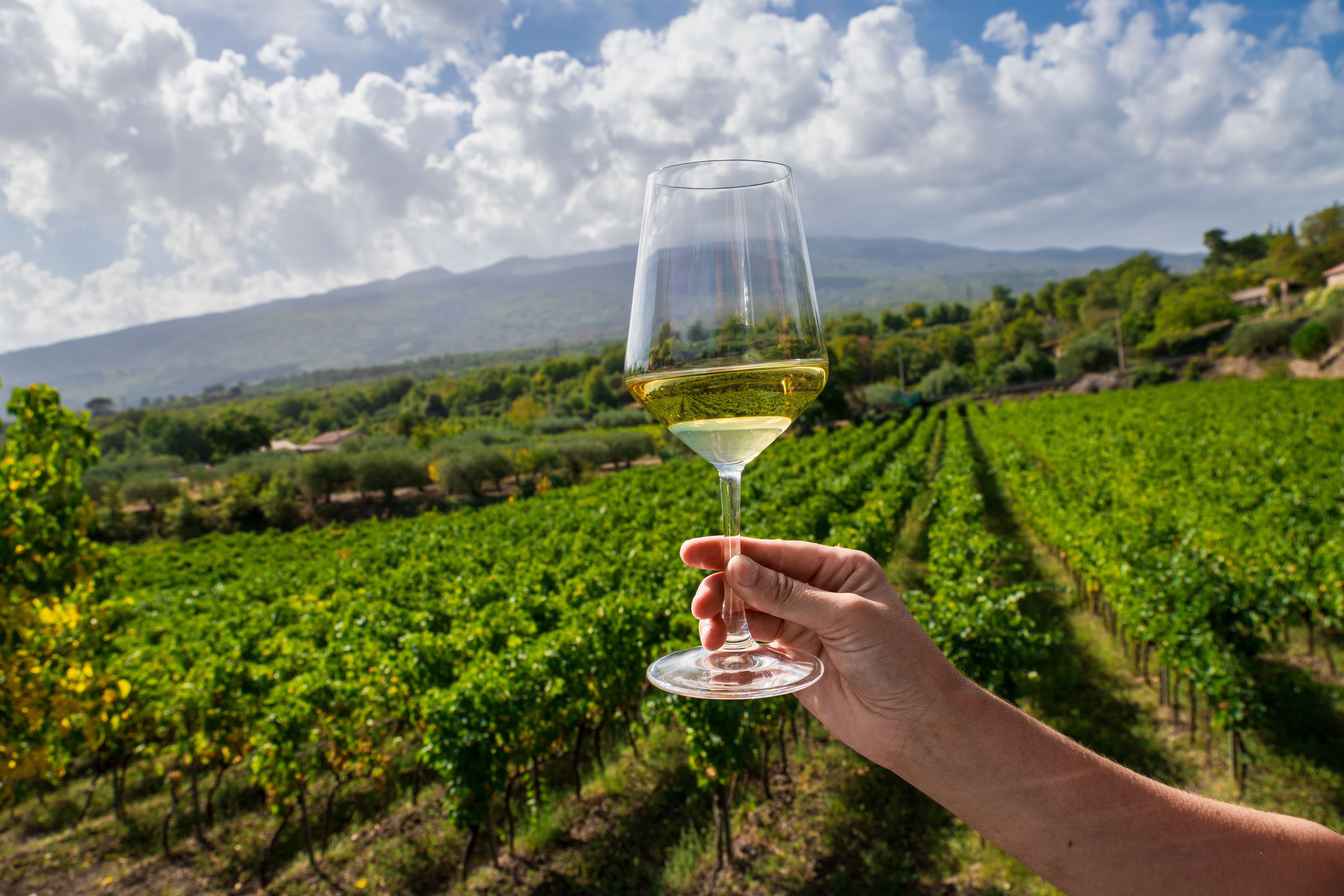
In reality, sustainable winemaking often leads to more efficient operations, benefiting both the environment and the winery’s bottom line.
Myth 3: Sustainable Wines Are Lower Quality
There is a lingering belief that sustainable wines are of lower quality than their conventional counterparts. However, many sustainable wineries produce high-quality wines that win awards and accolades. The focus on sustainability does not imply compromising on quality; rather, it often enhances the vineyard's health, leading to better grapes and, consequently, superior wines.
Winemakers who prioritize sustainability are often deeply committed to the craft, ensuring that quality remains a top priority alongside environmental considerations.

Myth 4: Sustainable Winemaking Is Just a Trend
Some skeptics view sustainable winemaking as a passing trend. However, the movement towards sustainability is grounded in a genuine need to protect our planet and its resources. Climate change, resource depletion, and environmental degradation are pressing issues that require long-term solutions, not temporary fixes.
Many wineries are making permanent shifts in their practices, investing in sustainable technologies and certifications that demonstrate their commitment to the environment and future generations.
The Reality of Sustainable Winemaking
Debunking these myths reveals that sustainable winemaking is a multifaceted approach that balances environmental, economic, and social considerations. It is not limited to organic practices, nor is it prohibitively costly or a compromise on quality. As consumers become more informed, the demand for genuinely sustainable wines is likely to grow, encouraging more wineries to adopt these practices.
By understanding the realities of sustainable winemaking, consumers can make more informed choices, supporting wineries that are truly committed to making a positive impact on the world.