Debunking Wine Myths: Separating Fact from Fiction


The Truth About Wine Aging
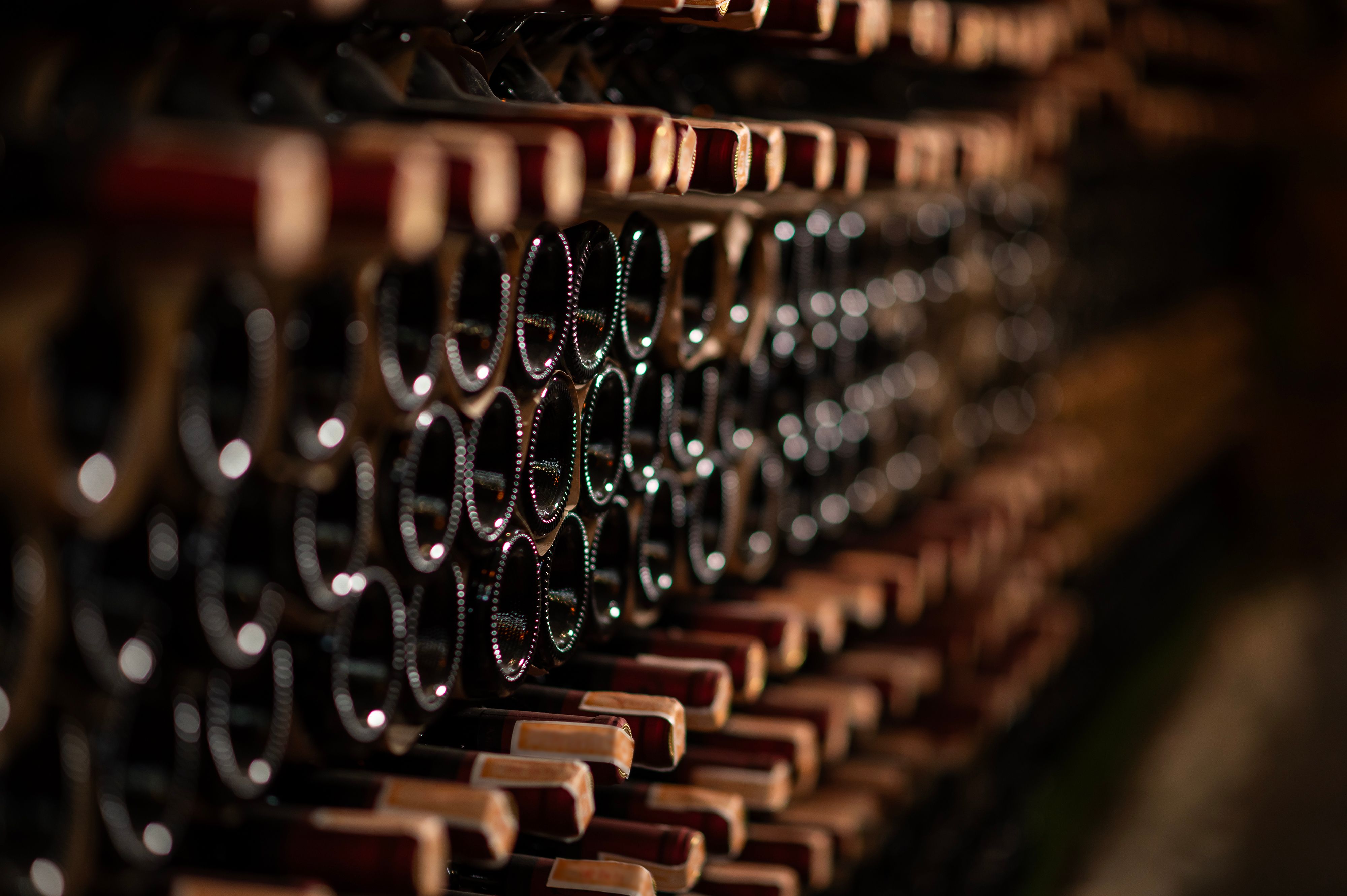
Many people believe that all wines improve with age. While it's true that some wines develop complex flavors over time, not all wines benefit from aging. In fact, most wines are made to be consumed within a few years of bottling. Aging potential depends on various factors, including the grape variety, winemaking techniques, and storage conditions.
Red Wines vs. White Wines
Another common myth is that only red wines can age well. While red wines often have higher tannin levels, which can support aging, certain white wines like Chardonnay or Riesling can also develop beautifully over time. It's essential to understand the specific characteristics of the wine to determine its aging potential.
The Price and Quality Correlation
A widespread misconception is that more expensive wines are always of higher quality. While price can be an indicator of quality, it's not a guarantee. Many affordable wines offer excellent taste and complexity. Price can be influenced by various factors, including brand reputation, marketing, and production costs.
Understanding Wine Tasting
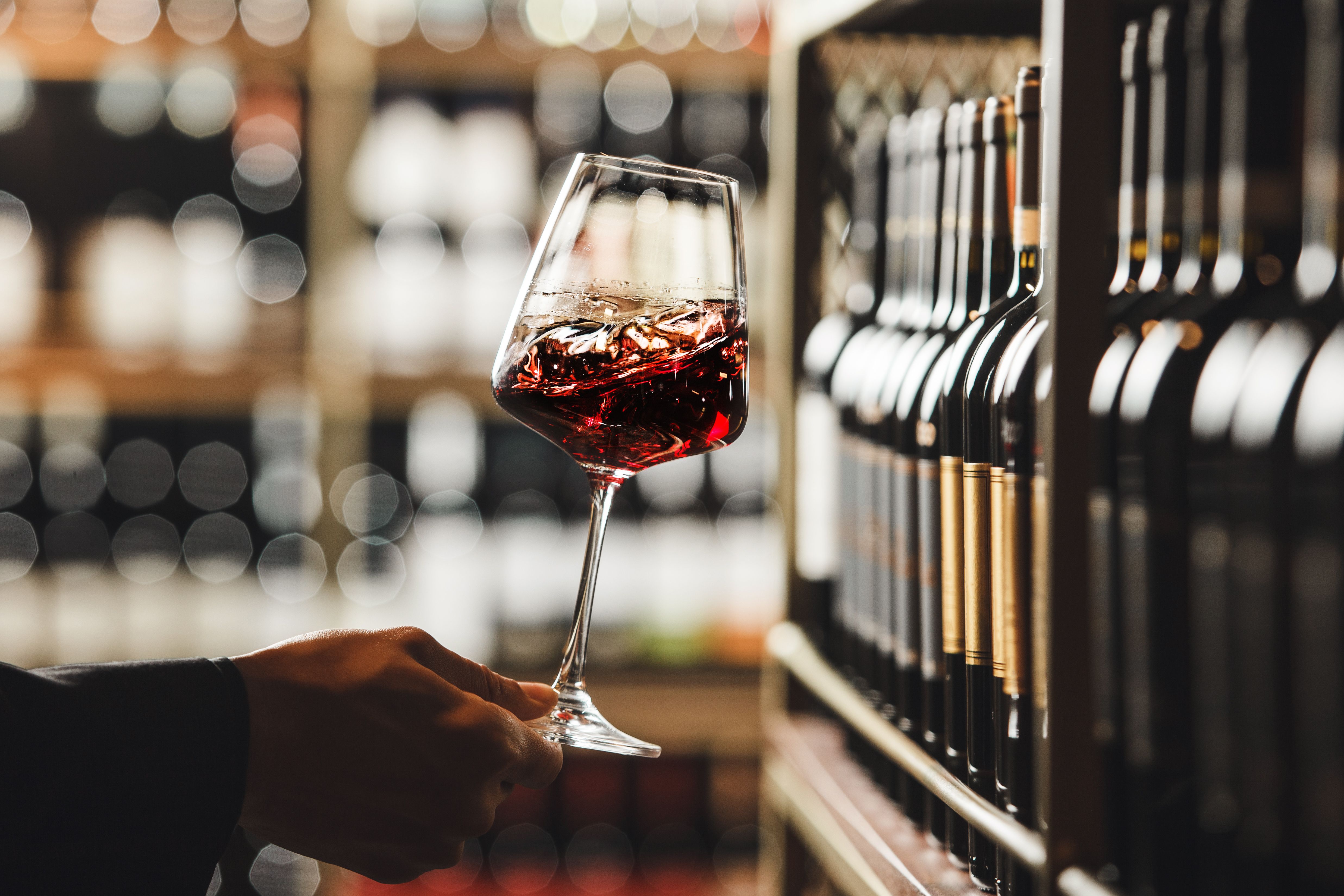
Some people believe that only trained sommeliers can truly appreciate wine. The truth is, wine tasting is subjective, and anyone can learn to identify flavors and aromas. With practice and exposure to different wines, you can develop a keener sense of taste and enjoy the experience more fully.
The Sulfite Sensitivity Myth
Many wine drinkers blame sulfites for headaches and allergic reactions. While sulfites can cause issues for a small percentage of people, they're not the primary cause of wine-related headaches. Dehydration and histamines are more likely culprits. It's important to drink wine in moderation and stay hydrated to avoid discomfort.

Natural Wines and Health
Natural wines have gained popularity, with claims of being healthier due to minimal intervention in the winemaking process. While natural wines can offer unique flavors, they are not inherently healthier. Like any wine, moderation is key, and individual preferences should guide your choices.
The Importance of Glassware
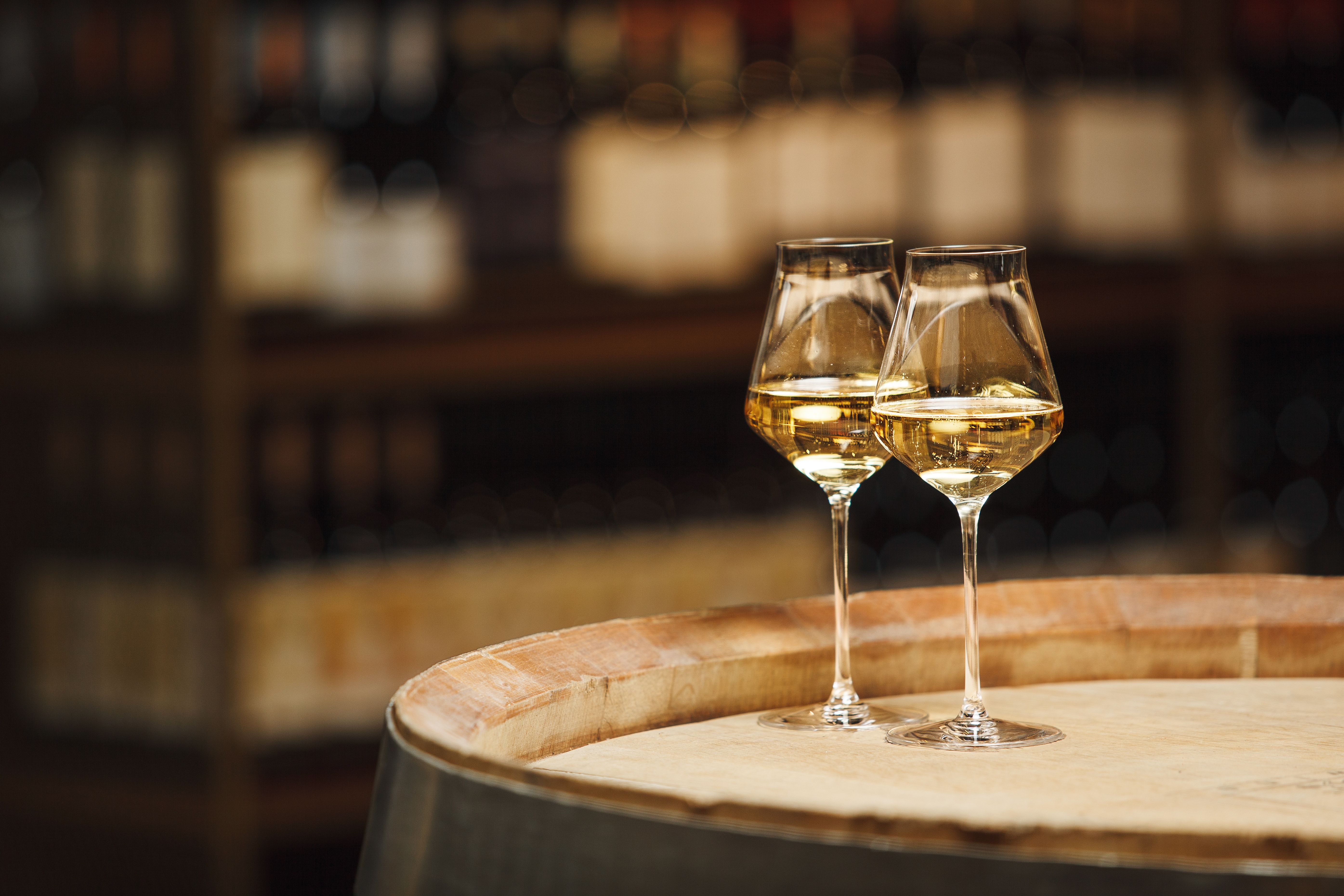
Some believe that the shape of the glass has no impact on the wine's taste. However, the design of your wine glass can influence the perception of aroma and flavor. A well-designed glass can enhance the wine tasting experience, so it's worth considering the right glass for different types of wine.
Decanting Myths
Decanting is often thought to be necessary only for older wines. In reality, young wines can also benefit from decanting, as it helps aerate the wine and release its aromas. Whether or not to decant depends on the wine's characteristics and your personal preference.