Exploring Sustainable French Winemaking Practices at Domaine Esprit


Introduction to Sustainable Winemaking
In recent years, the wine industry has increasingly focused on sustainability, aiming to reduce environmental impact while maintaining the highest quality. A shining example of this movement is Domaine Esprit, a French winery that has embraced eco-friendly practices to produce exceptional wines. This post explores the sustainable winemaking practices at Domaine Esprit, highlighting how tradition and innovation come together to protect the environment.
Organic Farming Practices
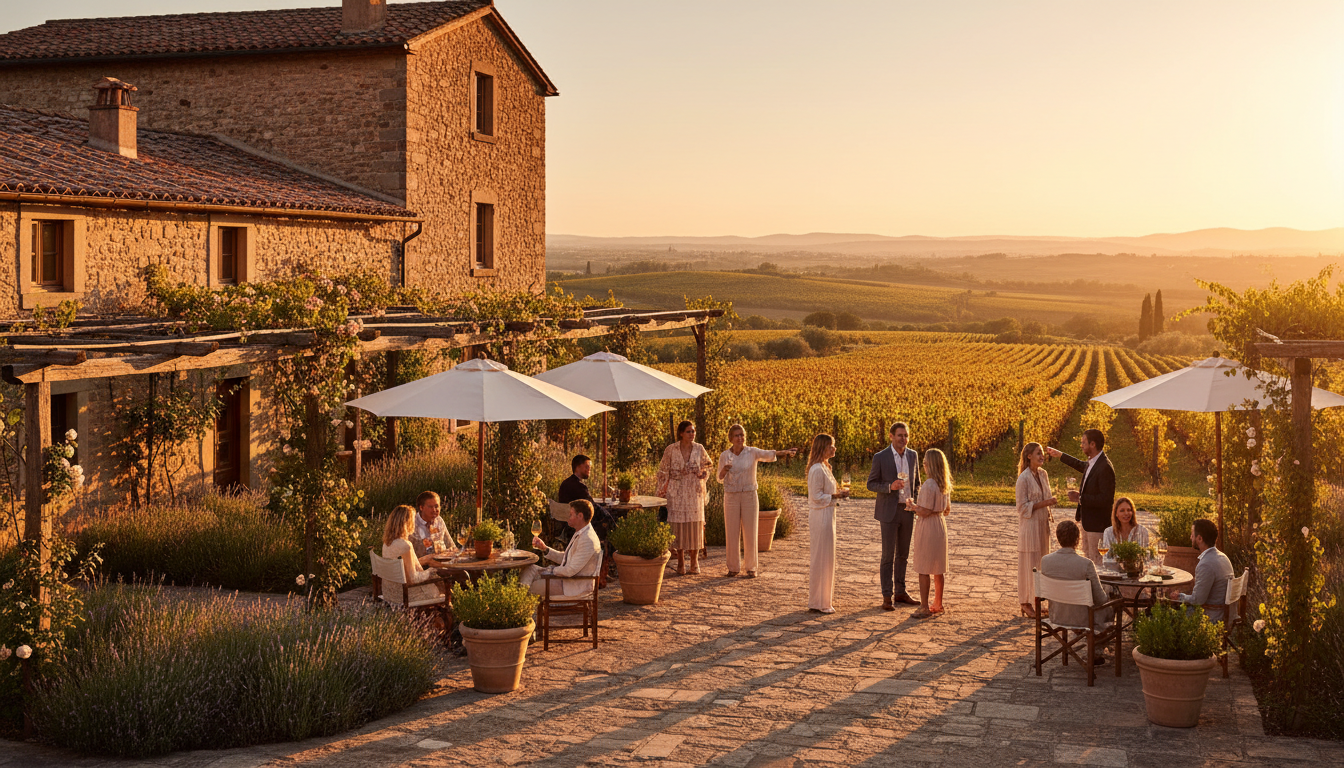
At the heart of Domaine Esprit's sustainability efforts is organic farming. The winery avoids synthetic fertilizers and pesticides, opting instead for natural alternatives that protect the biodiversity of the vineyard. This commitment to organic methods not only enhances soil health but also ensures that the grapes are free from harmful chemicals.
The team at Domaine Esprit uses cover crops to enrich the soil with nutrients and prevent erosion. These plants improve soil structure and foster a thriving ecosystem within the vineyard. By maintaining a healthy balance, the winery promotes a sustainable cycle of growth and renewal.
Water Conservation Techniques
Water conservation is a critical component of sustainable winemaking, and Domaine Esprit has implemented several measures to reduce water usage. Drip irrigation systems are employed to deliver water directly to the vine roots, minimizing waste and maximizing efficiency.
Moreover, rainwater harvesting systems are in place to collect and store rainwater for use during dry periods. This practice not only conserves water but also reduces the winery's reliance on external water sources.

Renewable Energy Adoption
Domaine Esprit is powered by renewable energy sources, significantly reducing its carbon footprint. Solar panels cover the rooftops of the winery buildings, harnessing the power of the sun to generate electricity. This clean energy initiative is part of the winery's broader commitment to sustainability and environmental stewardship.
Additionally, the winery has invested in energy-efficient equipment and practices to further minimize energy consumption. This holistic approach ensures that every aspect of production aligns with sustainable principles.
Biodiversity and Wildlife Conservation
Promoting biodiversity is another key focus at Domaine Esprit. The winery maintains natural habitats surrounding the vineyards to support local wildlife. These areas provide shelter and food for various species, contributing to a balanced ecosystem.

Furthermore, the winery engages in practices that encourage beneficial insects and birds, which help control pests naturally. This approach reduces the need for chemical interventions and enhances the health of the vineyard.
Commitment to Quality and Tradition
While sustainability is a priority, Domaine Esprit remains dedicated to traditional winemaking techniques that have been passed down through generations. The combination of time-honored methods and modern sustainability practices results in wines that are not only environmentally responsible but also rich in flavor and character.
By adhering to these principles, Domaine Esprit demonstrates that sustainability and quality can coexist harmoniously, creating wines that reflect both the terroir and the commitment to preserving it for future generations.
Conclusion
Domaine Esprit exemplifies how sustainable winemaking can lead to positive environmental outcomes without compromising on quality. Their dedication to organic farming, water conservation, renewable energy, and biodiversity showcases a comprehensive approach to sustainability. As the wine industry continues to evolve, Domaine Esprit stands as a model for others seeking to embrace eco-friendly practices. By supporting such wineries, consumers can enjoy exceptional wines while contributing to a healthier planet.