How to Taste Wine Like a Sommelier: Tips from Domaine Esprit


Understanding the Basics of Wine Tasting
Wine tasting is an art that goes beyond simply sipping a glass of wine. To taste wine like a sommelier, you need to engage all your senses. This process enhances your appreciation and understanding of the nuances of different wines. At Domaine Esprit, we believe that anyone can learn to taste wine with a little guidance and practice.
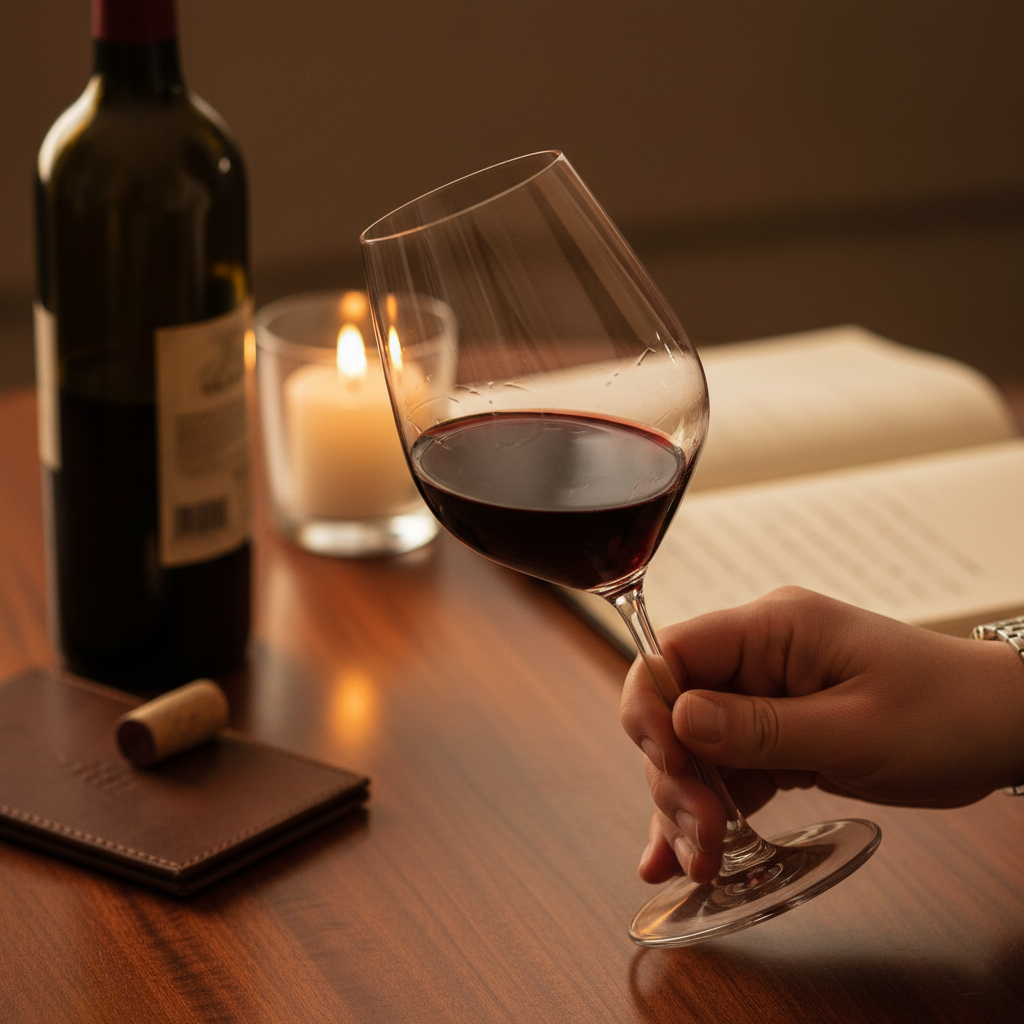
Step 1: Observe the Wine
The first step in wine tasting is to observe the wine's appearance. Start by holding the glass at an angle over a white surface to examine the color and clarity. This can reveal a lot about the wine's age and grape variety. Young white wines are often pale, while older whites may have a golden hue. Red wines can range from a bright ruby to a deep garnet.
Step 2: Swirl and Sniff
Swirling the wine in your glass releases its aromas. Give the glass a gentle swirl and bring it to your nose for a deep sniff. Try to identify the different scents, which can include fruits, spices, or even earthy notes. Sommeliers often categorize aromas into primary, secondary, and tertiary aromas, relating to the grape, fermentation, and aging process, respectively.

Step 3: Taste and Savor
Now, it's time to taste the wine. Take a small sip and let it coat your entire palate. Notice the balance of flavors, acidity, and tannins. Think about how the wine feels in your mouth. Is it light and crisp, or full-bodied and rich? Pay attention to the finish, or aftertaste, which can linger and offer additional insights into the wine's complexity.
Enhancing Your Wine Tasting Skills
Wine tasting is a skill that improves with practice. Here are some tips to help you refine your abilities:
- Keep a Wine Journal: Document your experiences to track your preferences and observations.
- Attend Wine Tastings: Participate in local wine tastings to expose yourself to different styles and regions.
- Pair with Food: Experiment with pairing wines with various foods to see how flavors interact.
Understanding Wine Terminology
Learning the language of wine can enhance your tasting experience. Familiarize yourself with common terms such as "bouquet," "body," and "terroir." Understanding these terms will help you better articulate your impressions and communicate with other wine enthusiasts.
Explore Wine Regions
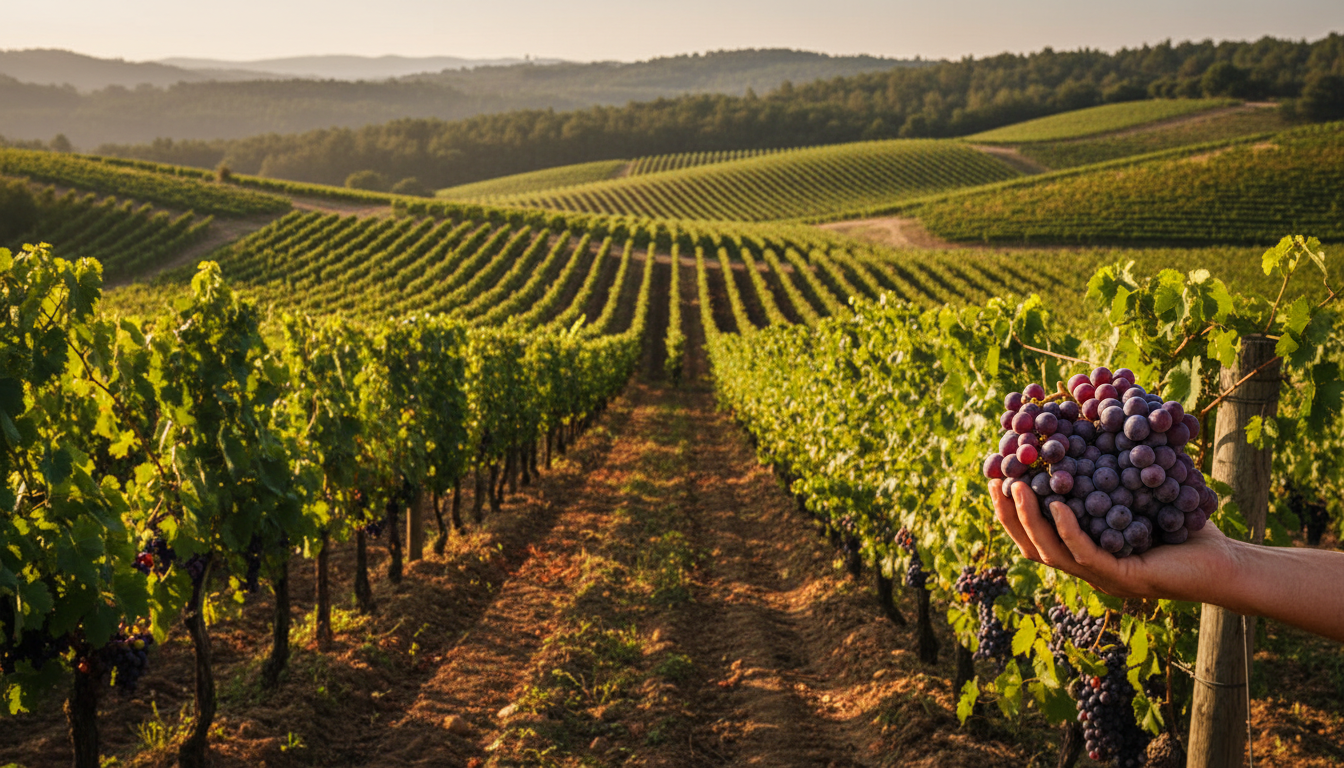
Dive into the diversity of wine regions to expand your palate. Each region has its unique characteristics influenced by climate, soil, and tradition. At Domaine Esprit, we encourage exploring wines from different regions to appreciate the global tapestry of winemaking.
Conclusion: Enjoy the Journey
Wine tasting is not just about identifying flavors; it's about enjoying the journey and the stories behind each bottle. Whether you're a novice or have some experience, tasting wine like a sommelier is about curiosity and exploration. At Domaine Esprit, we invite you to embark on this flavorful adventure and discover the world of wine in all its richness.