Understanding Wine Labels: A Beginner's Guide to Decoding Bottles


Why Understanding Wine Labels Matters
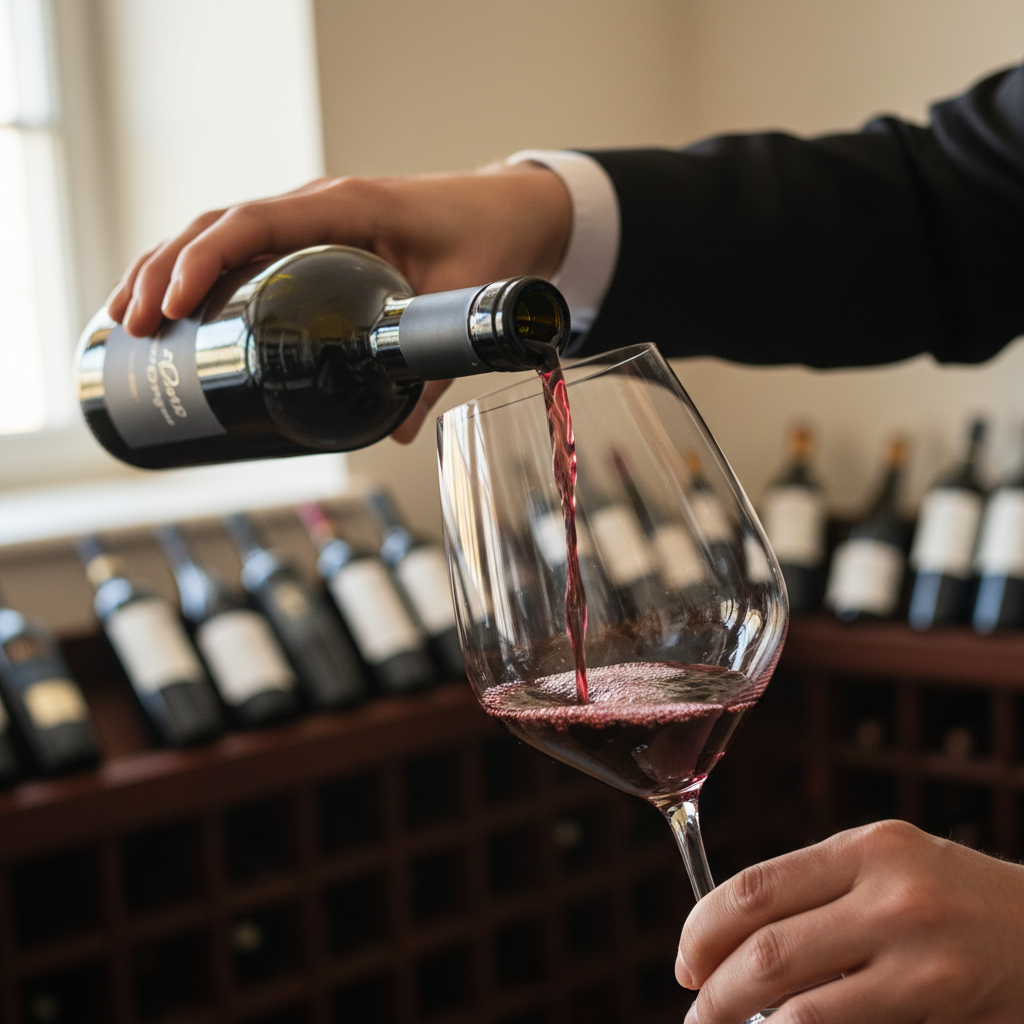
When you're browsing the wine aisle, the labels on bottles can seem like a foreign language. Understanding them is crucial for selecting a wine that suits your taste and occasion. A wine label provides vital information about the wine's origin, grape variety, and sometimes even the winemaking process.
By learning how to read wine labels, you can make informed decisions and enhance your wine-drinking experience. Let's dive into the key components that make up a wine label.
The Basics of Wine Labels
Producer or Winery Name
The producer or winery name often appears at the top of the label. This is the brand responsible for making the wine. Recognizing reputable producers can guide you toward quality wines. Some producers have a signature style, influencing the flavor profile of their wines.
Region and Appellation
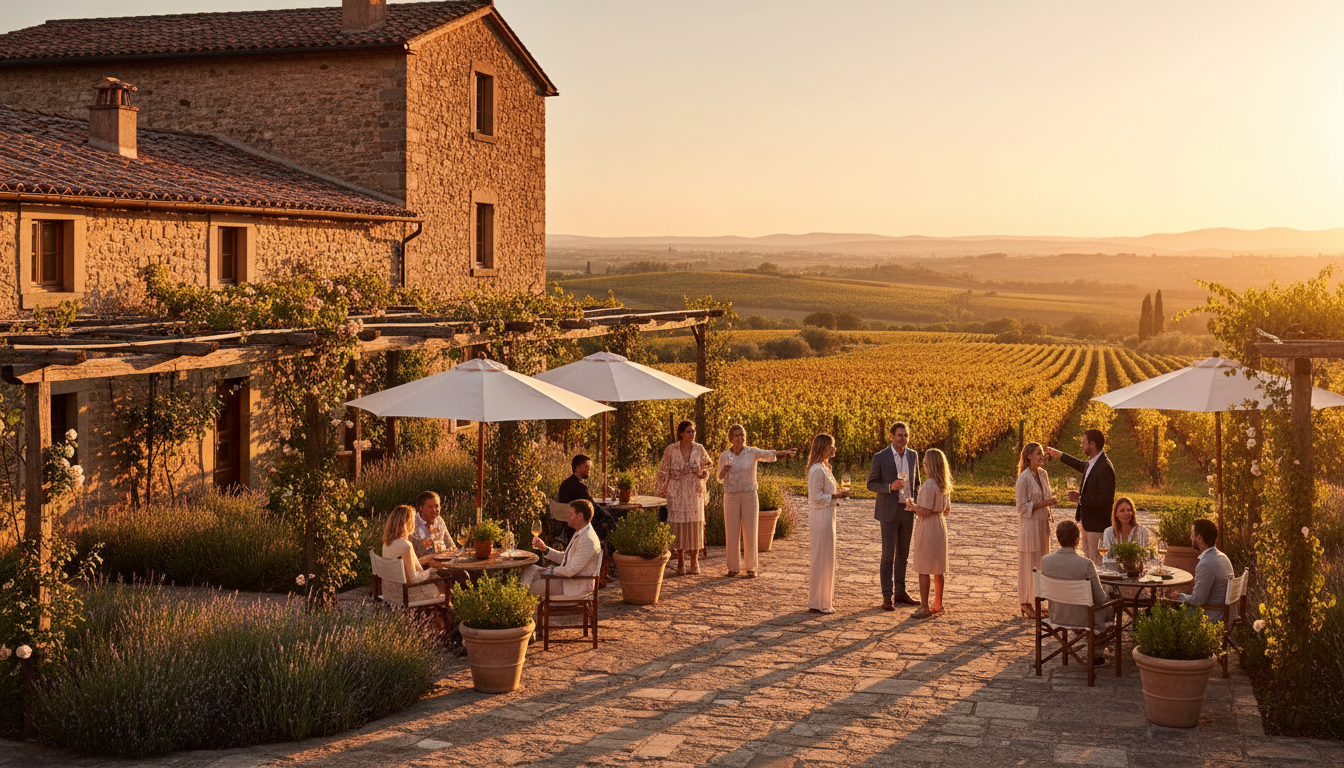
The region or appellation indicates where the grapes were grown. This is crucial as the climate, soil, and regional traditions impact the wine's character. For example, a wine from Bordeaux will differ significantly from one produced in Napa Valley.
Understanding Grape Varieties
Varietal Information
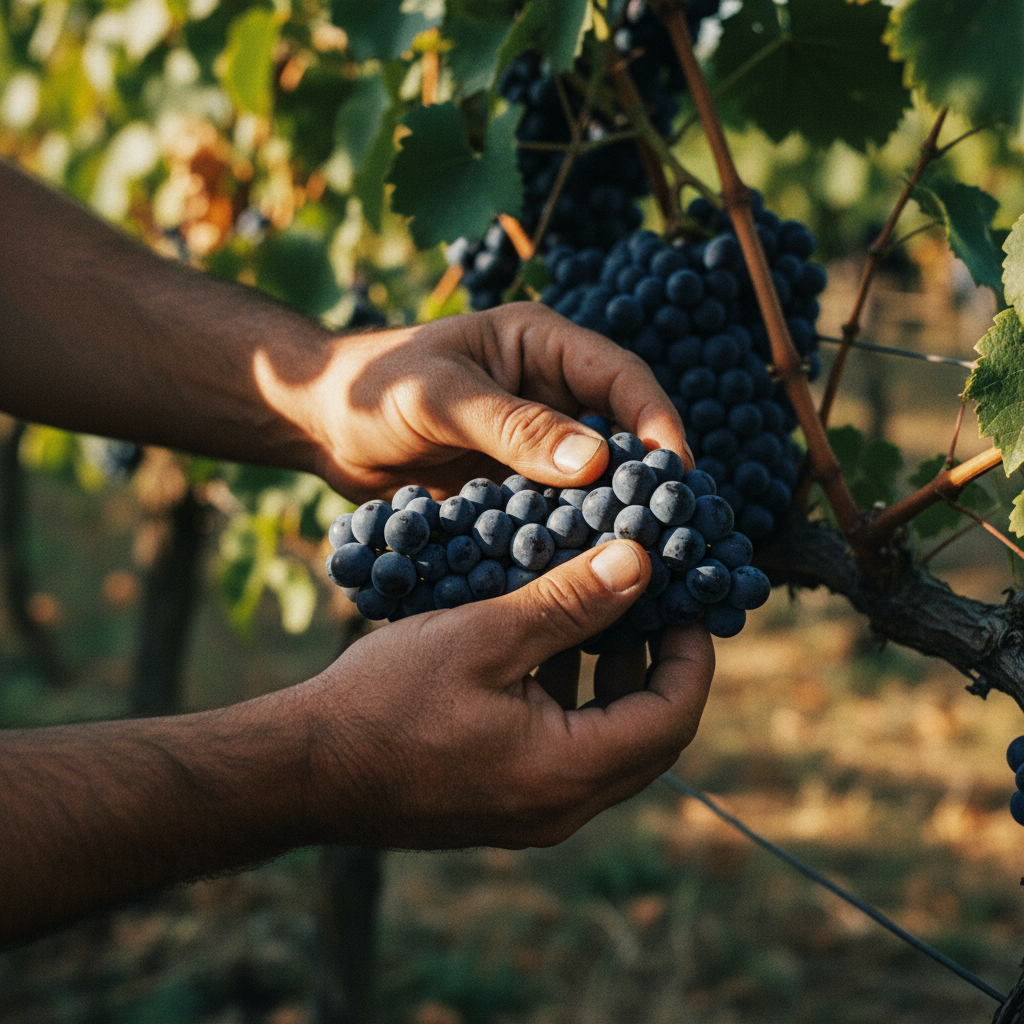
The grape variety listed on the label reveals a lot about the wine's taste. Common varietals include Chardonnay, Cabernet Sauvignon, and Merlot. Each grape has distinct characteristics, so knowing your preferences can help you choose wisely.
Some labels will list multiple grape varieties, indicating a blend. In such cases, the dominant grape is usually mentioned first. Blends can offer complex and balanced flavors.
Additional Label Information
Vintage Year
The vintage year refers to the year the grapes were harvested. This can affect the wine's taste, as weather conditions vary each year. A vintage wine may taste different from a non-vintage (NV) wine, which is a blend of grapes from multiple years.
Alcohol by Volume (ABV)
This figure, expressed as a percentage, indicates the alcohol content of the wine. A higher ABV usually means a fuller-bodied wine. Most wines fall between 12% and 15% ABV. Knowing the ABV can help you gauge the wine's intensity.
Decoding Other Label Elements
Quality Indicators
Terms like “Reserve,” “Estate,” or “Grand Cru” can denote quality. However, their significance varies by region and producer. In some cases, these terms are legally regulated, while in others, they are more of a marketing tool.
Exploring Labels from Around the World
Wine labels differ across countries due to varying regulations and traditions. For example, Old World wines from Europe may emphasize the region, while New World wines often highlight the grape variety. Understanding these differences can enrich your wine selection process.
