Wine Myths Debunked: Separating Fact from Fiction


The Truth About Wine Aging
One of the most common myths about wine is that all wines improve with age. While it’s true that some wines develop more complex flavors over time, not every bottle benefits from aging. In fact, most wines are crafted to be consumed within a few years of their release. Wines like Beaujolais Nouveau are intended to be enjoyed young, capturing their fresh and fruity characteristics.
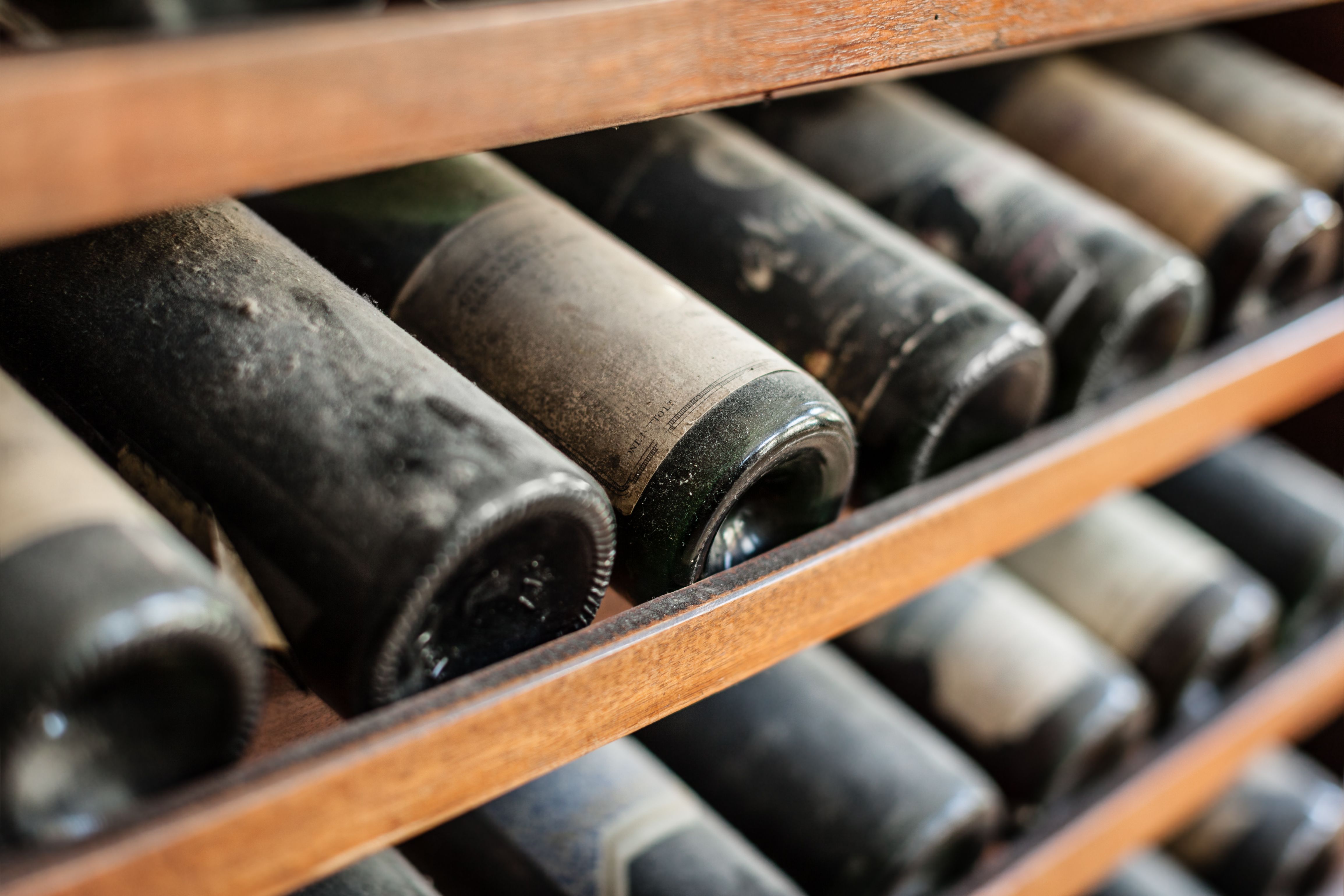
Wines that do age well usually have high acidity and tannins, such as certain reds like Cabernet Sauvignon or robust whites like Riesling. The structure of these wines allows them to evolve gracefully over time, developing richer and more nuanced flavors.
Red Wine Should Be Served at Room Temperature
Another popular myth is that red wine should always be served at room temperature. This belief likely originated in Europe, where room temperature is often cooler than in many modern homes. In reality, serving red wine slightly chilled—around 60-65°F (15-18°C)—allows its flavors and aromas to shine.
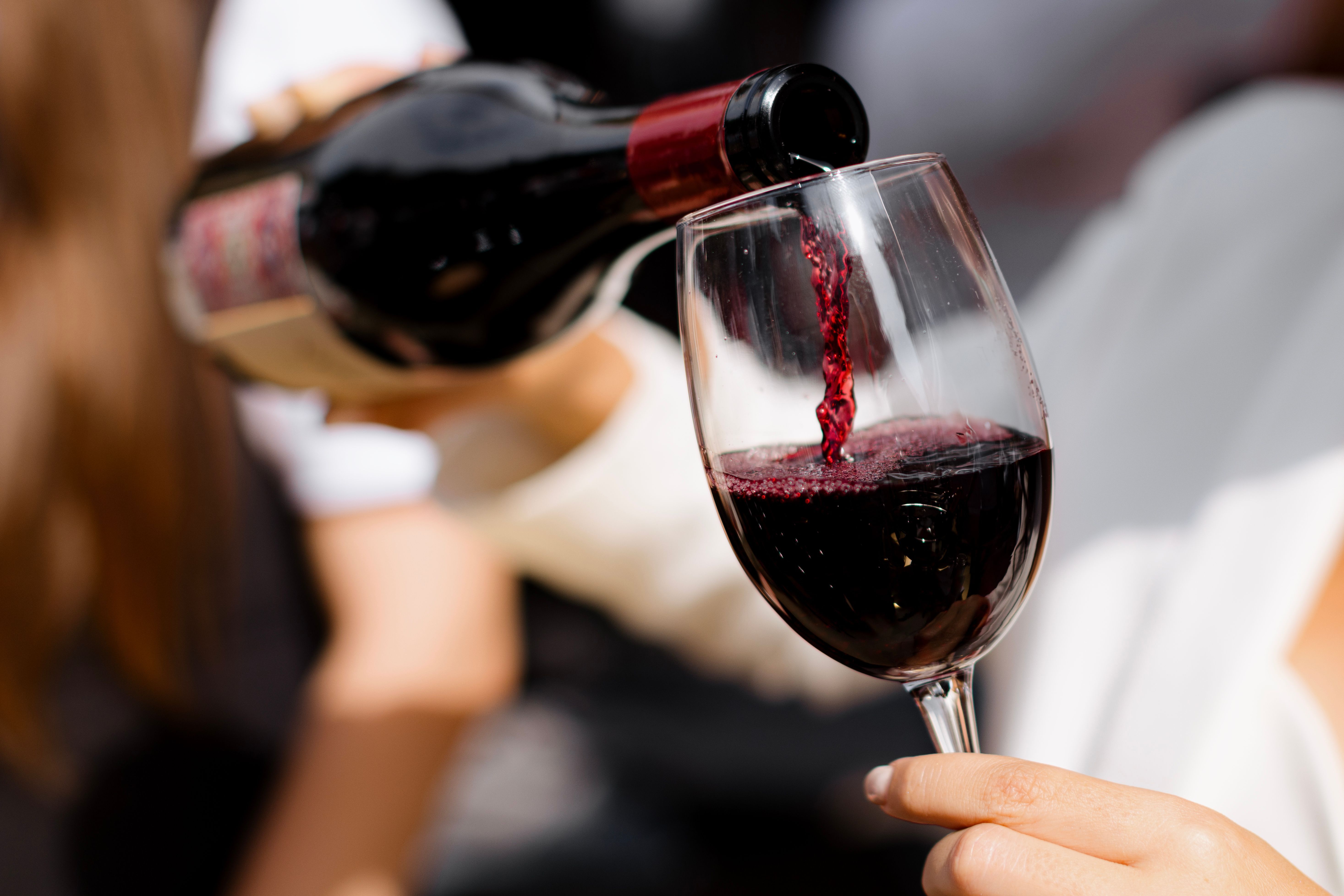
Lighter reds, such as Pinot Noir or Gamay, can benefit from even cooler temperatures. Slightly chilling these wines can enhance their brightness and make them more refreshing, especially during warmer months.
Screw Caps Are Inferior to Corks
The notion that screw caps are a sign of cheap or low-quality wine is outdated. In fact, screw caps are increasingly used by winemakers around the world to preserve the freshness and integrity of their wines. They provide a tight seal that prevents oxidation and spoilage.

Screw caps are particularly beneficial for white wines and rosés, which are often consumed young and benefit from retaining their crispness. While corks have their place, especially for wines meant to age, screw caps offer a reliable alternative that ensures consistency.
Only Expensive Wines Are Worth Drinking
Price does not always equate to quality when it comes to wine. Many affordable wines offer exceptional taste and value. Factors such as branding, marketing, and production costs can influence a wine's price. However, plenty of delightful wines are available at various price points.
When exploring wines, focus on regions known for good value, such as Spain, Portugal, or certain parts of South America. You might be surprised by the quality you can find without breaking the bank.
All Rosé Wines Are Sweet
Rosé wines come in a range of styles, from bone dry to sweet. The sweetness level depends on the grape varieties used and the winemaking process. While some rosés, like White Zinfandel, are sweet, many others, particularly those from Provence, are celebrated for their dryness and elegance.
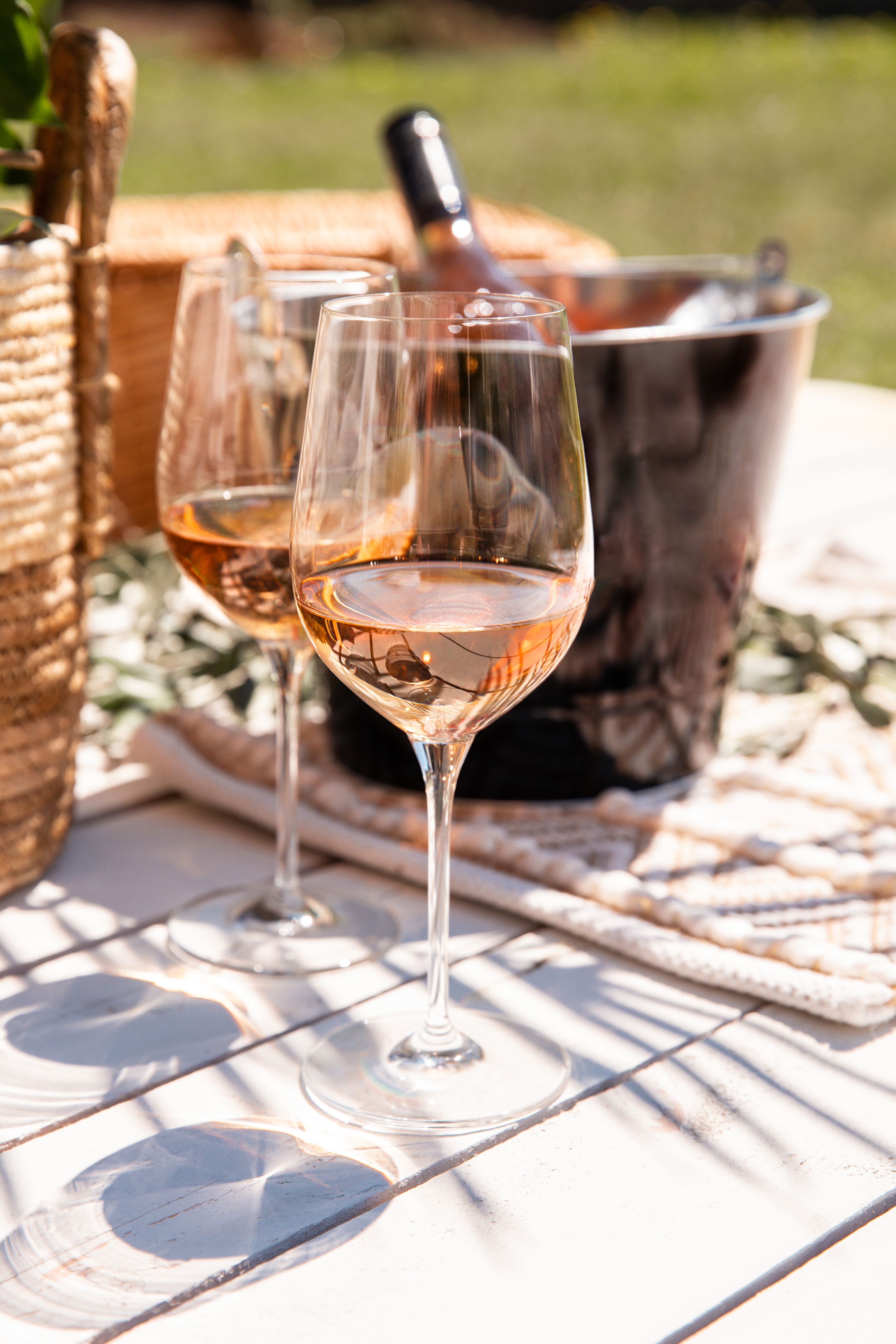
Dry rosés pair wonderfully with a variety of dishes, making them a versatile choice for food pairing. They can be enjoyed throughout the year, not just in the summer months.
Conclusion: Enjoy Wine Your Way
Ultimately, wine enjoyment is subjective, and the best way to appreciate it is to explore and discover what you personally enjoy. Don’t be constrained by myths or misconceptions. Instead, embrace the diversity of wines available and savor the experience.